Birchwood Lock & Key Specialists
Issue 1 of 3LocksmithMississauga, Ontario
Lost Keys — Same-Visit Rekey: step by step
Rekeying and replacing a lock arrive at the same place by different roads.
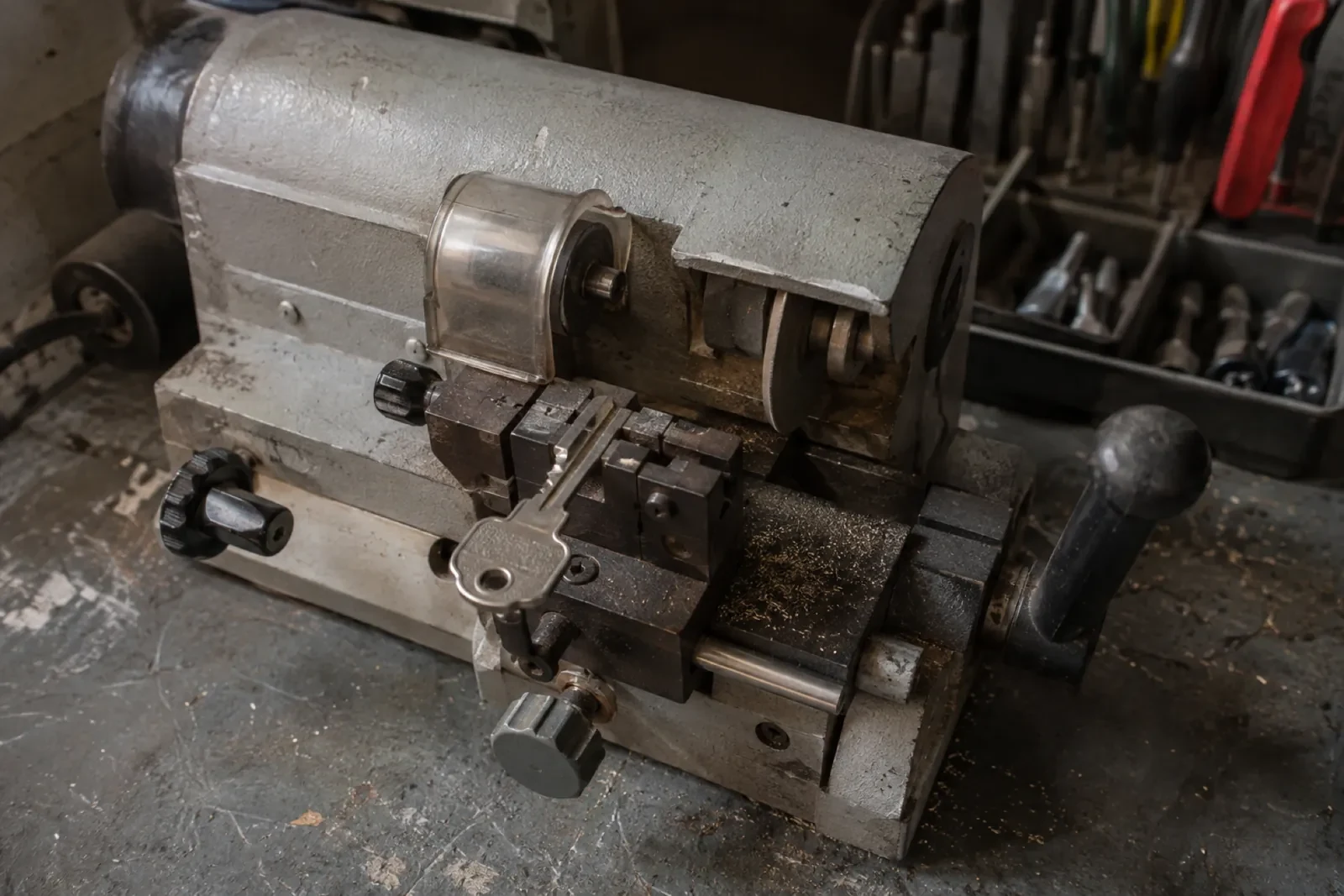
Rekeying and replacing a lock arrive at the same place by different roads. Replacement puts new hardware on the door: a new deadbolt or handle, and a finish that may not match its neighbours. Rekeying leaves all of that alone and changes what is inside the cylinder, commonly the pin stack on a conventional lock or a reset on a homeowner-rekeyable one, so a different key runs it. For hardware in good condition, that is the sensible choice: the door looks and feels as it did while the old key is retired. A worn cylinder can be replaced and keyed to match the rest in the same visit.
Which cylinders the key actually opened
The locksmith walks the property with you and tries to think like the key. Front door deadbolt and handle, the back door, a side door, the door between the garage and the house, the shed, a gate padlock, a basement walkout, the door to a storage room or workshop. Each cylinder the missing key fitted goes on a list. Anything it fitted that is not yours to change goes on a second list: a shared lobby door, a parking gate, a community mailbox compartment, a workplace. The first list becomes the scope of the visit; the second becomes a set of calls you can make with the locksmith's help while the work goes on.
Removing the cylinder without disturbing the door
Each cylinder comes off in the way its lock allows, and the door itself is never cut or drilled. A knob or lever lock releases its cylinder once the knob is slipped off its spindle and a retaining clip or cap is eased back. A deadbolt cylinder comes out when the interior thumb-turn assembly is unscrewed and the housing lifts away. A mortise cylinder in an older door backs out after its small set screw is loosened, and a rim cylinder on a night latch unscrews from its back plate. Each piece is set aside with its own screws so the door goes back together exactly as it was.
Cylinders that turn more sweetly than before
A cylinder that has been apart, cleaned and repinned usually feels better than it did before the key went missing. Old grease, road salt and the grit that collects in a keyway over a decade came out with the plug, and a dry lubricant went in. Keys cut to code seat fully and lift each pin cleanly. If a door had a key that needed a wiggle or a shove, that is often gone. Follow your lock's own maintenance guidance to keep it that way: many cylinders take a puff of graphite or PTFE into the keyway now and then, some a specified liquid lubricant instead; general household oils and sprays collect dust and gum the pins.